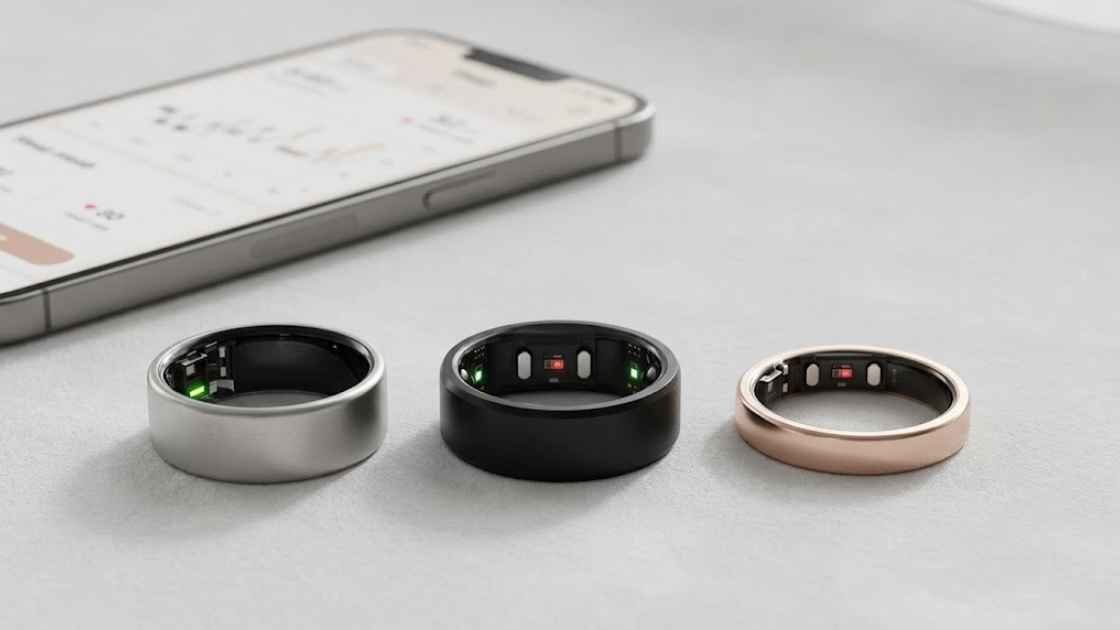
If you have been asking which smart ring works without subscription, you are in very good company, because it is the single most common question I get from readers and from clients who train with me. The idea of a smart ring is lovely: a discreet band that tracks your sleep, your resting heart rate and your recovery without a watch on your wrist. The catch, for years, was Oura. You bought the ring, then you paid again every single month to actually read your own data. As a certified personal trainer who has worn nearly every major tracker through real training blocks, I understand exactly why that stings.
The good news for 2026 is that the subscription-free market has grown up. Samsung, RingConn and Ultrahuman all sell rings that hand you the full feature set for a one-time price, with no membership fee lurking behind a paywall. I have spent the last six weeks wearing three of them side by side, one on each hand and swapping the third every few days, comparing the numbers every morning before my first coffee. This is the honest UK verdict.
Which smart ring works without subscription: the short answer
Three rings do the job properly in 2026. The Samsung Galaxy Ring, the RingConn Gen 2 (and its lighter sibling, the Gen 2 Air) and the Ultrahuman Ring AIR all give you sleep tracking, heart rate, HRV and activity data with no monthly fee. You pay once and the app is yours for good.
The ring that still charges you monthly is Oura. The Oura Ring 4 is arguably the most polished device of the lot, but its membership costs £5.99 a month or £59.99 a year after the first free month, and without it the app strips back to a fraction of its features. Over three years that membership adds up to roughly £180 on top of the hardware. If avoiding that recurring cost is your priority, Oura is the one to skip, and one of the three below is your answer.
Why the subscription question matters more than people think
Here is the part most reviews gloss over. A subscription is not just a monthly cost. It changes what happens to your data if you ever stop paying. With a membership model, cancel the fee and your detailed sleep stages, readiness scores and long-term trends can vanish behind the paywall, even though the ring on your finger still works. With a subscription-free ring, nothing is locked. Everything the sensor records is yours from day one and stays yours.
That matters for a health device you might wear for years. I have seen clients drift away from a tracker precisely because a fee they forgot about kept leaving their account. A one-time purchase removes that friction entirely. You buy the ring, you forget about billing, and you just wear it. For UK buyers watching every subscription creep onto their bank statement, that peace of mind is worth a lot.
One counterintuitive thing I noticed during testing: the subscription-free rings actually nudged me to check my data more, not less. When there is no sense that you are paying for a premium tier you are underusing, the whole thing feels lighter. I opened the RingConn app out of curiosity rather than obligation.
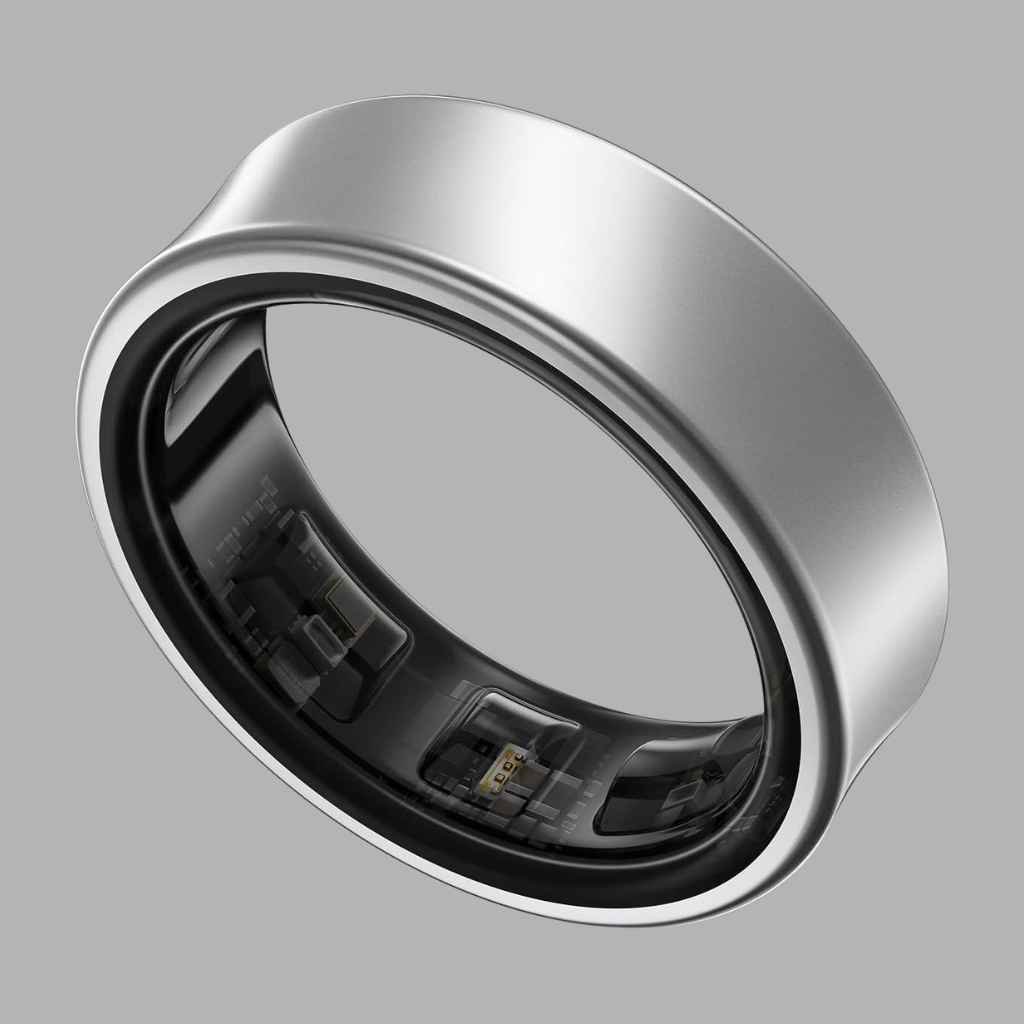
Samsung Galaxy Ring: the best all-rounder if you own a Samsung phone
The Galaxy Ring is the ring I would hand to most people, with one condition attached. It is a beautifully made titanium band, it tracks sleep, heart rate, activity and stress with no subscription fee whatsoever, and Samsung currently sells it in the UK for £299, down from its £399 launch price. That is a genuine saving on an already premium device.
The condition is the phone in your pocket. The Galaxy Ring leans heavily on Samsung Health, and while it works with most modern Android phones, you need a Samsung Galaxy handset to unlock the full Galaxy AI features and the neatest integrations. Pair it with a Galaxy watch and the two devices share data intelligently, using whichever has the better signal. I found the sleep tracking genuinely close to how rested I felt each morning, and the battery comfortably cleared six days between charges during my test.
If you are already deep in the Samsung ecosystem, this is the easy pick. If you carry an iPhone, look further down this list, because the Galaxy Ring is not designed for you. I wrote more about how it stacks up against the market leader in our Samsung Galaxy Ring 2 vs Oura Ring 4 comparison, which is a useful read before you commit.
Samsung Galaxy Ring | Buy on Amazon UK | £299
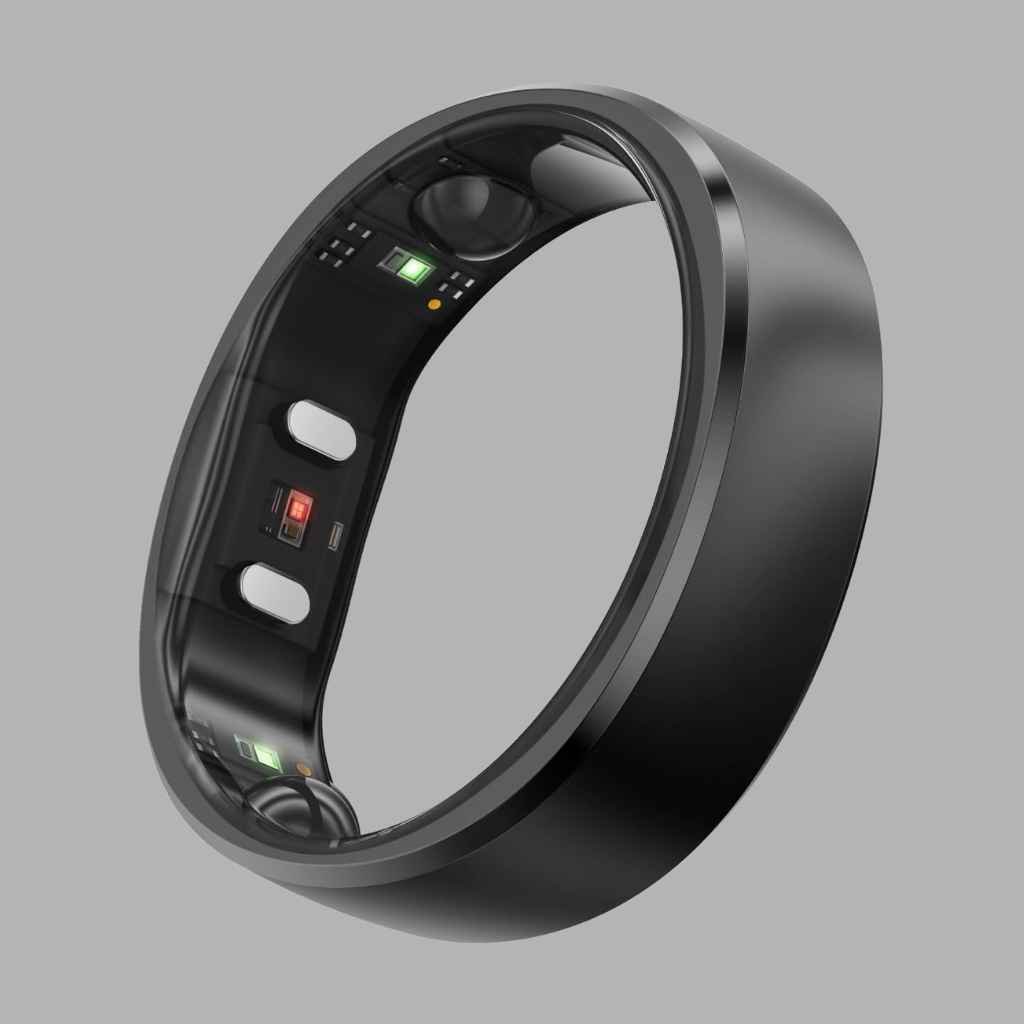
RingConn Gen 2 and Gen 2 Air: the value champions
If pure value with no strings is what you are after, RingConn is the brand to know. The RingConn Gen 2 typically sells for around £239 to £299 on Amazon UK, it works with both iPhone and Android, and it has no subscription of any kind. Its headline trick is a genuinely long battery. RingConn quotes up to 12 days per charge, and in my testing I comfortably got well over a week even with sleep tracking running every night. The charging case doubles as a power bank for the ring, so you top it up without a cable trailing across your bedside table.
The Gen 2 also added sleep apnea monitoring, which is rare at this price. It is a screening signal rather than a medical diagnosis, so treat it as a prompt to speak to your GP rather than a verdict, but it is a thoughtful inclusion. For anyone curious about heart rhythm tracking more broadly, our guide to which fitness tracker can detect AFib explains what these consumer sensors can and cannot do.
There is now a lighter, cheaper option too. The RingConn Gen 2 Air strips things back to the essentials, weighs a barely-there 2.5 grams, and can be found from around £211 to £239 in the UK. It drops the sleep apnea feature but keeps the core sleep, heart rate and activity tracking with the same no-fee promise. TechRadar called the Gen 2 the best cheap smart ring, and I would not argue with that. For most UK buyers who simply want reliable data without paying twice, RingConn is the smart money.
RingConn Gen 2 | Buy on Amazon UK | £239
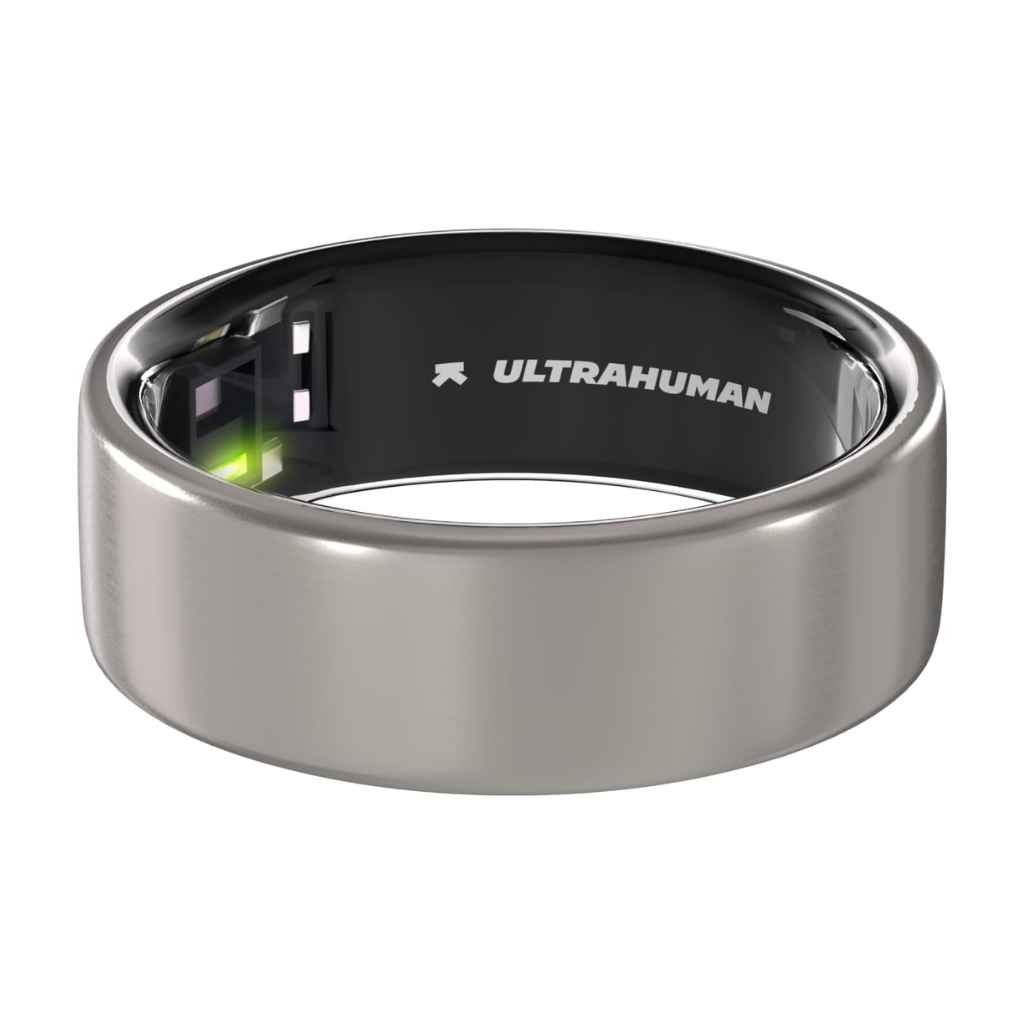
Ultrahuman Ring AIR: the one for data lovers
The Ultrahuman Ring AIR is the ring I reach for when I want to actually dig into my numbers. It sells in the UK for roughly £245 to £329 depending on finish and where you buy, it works with iPhone and Android, and the standard feature set carries no app fee. Where it stands out is the depth of its metrics. It leans hard into things like HRV trends, a stimulant window that suggests when to stop drinking coffee for better sleep, and a temperature-based cycle tracking feature that some readers will value highly.
In my six weeks with it, the resting heart rate and sleep timing tracked closely with the Galaxy Ring, which gave me confidence in the readings. HRV, or heart rate variability, is simply the tiny variation in time between heartbeats, and a healthy upward trend usually signals good recovery. The Ultrahuman app explains these ideas well without drowning you in jargon, which I appreciated.
Ultrahuman has also announced a pricier Ring PRO for buyers who want the flagship experience, but the AIR remains the sensible subscription-free choice for most people. If your idea of fun is a Sunday morning scrolling through your recovery trends, this is your ring. If you just want a sleep score and to get on with your day, the RingConn will serve you better for less.
Ultrahuman Ring AIR | buy on Amazon UK | £329
How accurate are subscription-free rings, really?
This is the fear, is it not, that a cheaper no-fee ring means worse data. In my experience the gap is far smaller than the price gap suggests. All of these rings use the same basic technology, a PPG sensor that shines light into the blood vessels in your finger to estimate heart rate and blood oxygen, plus a skin temperature sensor and an accelerometer for movement. The finger is actually a more stable place to read from than the wrist, which is why rings often track resting and sleeping heart rate more reliably than a watch.
Where accuracy wobbles is during hard exercise. Because the finger moves and flexes when you lift weights or grip a bar, the live heart rate can lag. The NHS is clear that wearable heart rate readings are estimates rather than clinical measurements, and that applies to every ring here regardless of price. For steady all-day trends, resting heart rate and sleep, they are genuinely useful. For interval precision in a tough session, I still clip on a chest strap. That is not a criticism of the rings, it is just physics.
Sizing, comfort and the boring stuff that actually matters
A smart ring you never take off is only comfortable if it fits properly, so order a sizing kit first. Every brand here offers one, and it is worth the few days’ wait. Fingers swell in heat and shrink in cold, so most brands suggest sizing to your dominant hand and wearing it for a day before you commit. I always tell clients to size in the evening rather than first thing in the morning.
Titanium builds shrug off knocks and water, so you can shower and swim in all three. Battery life ranges from around six days on the Galaxy Ring to up to twelve on the RingConn, and charging takes an hour or two. None of this is glamorous, but it is the difference between a ring you wear for two years and one that ends up in a drawer. If sleep is your main reason for buying, our piece on the rise of smart sleep technology is a good companion read.
My verdict: which subscription-free ring should you buy?
After six weeks of daily wear, here is how I would guide a friend. Buy the Samsung Galaxy Ring if you own a Samsung phone and want the most polished all-round experience for £299. Buy the RingConn Gen 2 or Gen 2 Air if you want the best value and the longest battery with zero fees, whatever phone you carry. Buy the Ultrahuman Ring AIR if you are a data enthusiast who wants the richest metrics and cycle tracking.
For the largest number of GadgetsBuzz readers, though, my pick is the RingConn Gen 2. It does the important things well, it never asks for another penny, and that long battery means you almost forget you are charging it at all. If you want to see how the subscription-based leader compares before you decide, our Oura Ring 4 review lays out exactly what that monthly fee buys you, and our Oura Ring Gen 4 vs Evie Ring comparison looks at another no-fee alternative worth a glance.
Frequently asked questions
Which smart ring works without subscription in the UK?
The Samsung Galaxy Ring, RingConn Gen 2, RingConn Gen 2 Air and Ultrahuman Ring AIR all work fully in the UK with no monthly subscription. You pay once and keep every feature and all your data.
Does the Samsung Galaxy Ring have a subscription fee?
No. The Galaxy Ring has no subscription fee. All health tracking runs through the free Samsung Health app, though you get the best experience paired with a Samsung Galaxy phone.
Is RingConn or Ultrahuman better value?
RingConn is usually the better value for battery life and simplicity, often under £250 with up to 12 days per charge. Ultrahuman costs a little more but offers deeper metrics like HRV trends and cycle tracking. Both are subscription-free.
Why does Oura charge a monthly fee when others do not?
Oura funds its software, research and app development through the membership, currently £5.99 a month in the UK. It buys a very polished experience, but subscription-free rivals now match most of the core tracking for a one-time price.
Are smart rings without a subscription less accurate?
Not meaningfully. They use the same finger-based sensors as pricier rings and track resting heart rate and sleep reliably. Accuracy dips during intense exercise, so use a chest strap for interval training regardless of which ring you choose.
The bottom line
A smart ring should feel like a quiet helper, not another bill, and in 2026 you no longer have to choose between good tracking and no fees. Pick the RingConn Gen 2 for value, the Galaxy Ring for Samsung owners or the Ultrahuman Ring AIR for data depth, and enjoy owning your health data outright. Priya Nair tests wearables through real training for GadgetsBuzz, and this is one shift in the market I am genuinely glad to see.
Priya Nair is a certified personal trainer who tests wearables through real training for GadgetsBuzz. This article contains affiliate links. We only recommend products we genuinely rate. This is general guidance only. Always consult your GP or a qualified professional for personal advice.