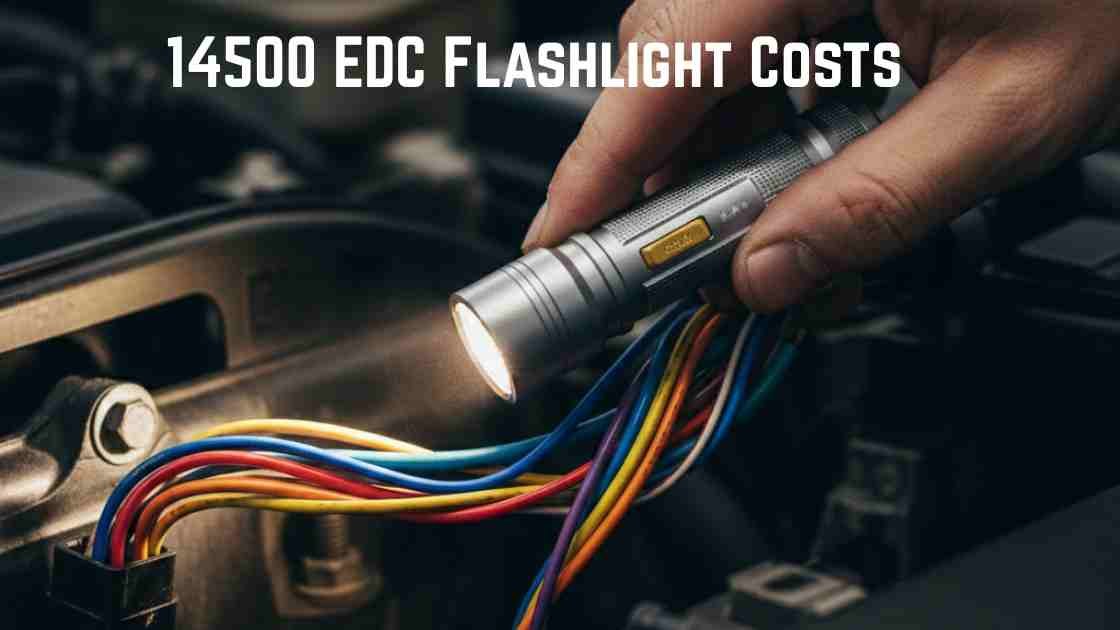
The world of Everyday Carry (EDC) gear continues to evolve as users demand more power, reliability, and performance from tools that fit comfortably in a pocket. Among compact lighting options, the 14500 flashlight has earned a strong reputation for delivering exceptional output in a tiny form factor. For beginners, the term “14500” refers to a lithium-ion rechargeable battery that is physically the same size as a standard AA battery but operates at a much higher voltage, typically 3.7V instead of 1.5V. This higher voltage allows these small flashlights to outperform traditional AA-powered lights by a wide margin.
This voltage upgrade transforms a basic pocket torch into a true high-output EDC tool, capable of intense brightness, quicker response, and advanced lighting modes that standard alkaline batteries simply cannot support. However, once buyers begin comparing models, one reality becomes immediately obvious. 14500 EDC flashlight costs vary widely, starting at under $20 and climbing beyond $200. This dramatic price range naturally raises an important question for buyers. What exactly are you paying for at each price level?
Understanding the True 14500 EDC Flashlight Costs
Understanding real 14500 EDC flashlight costs goes far beyond the retail price alone. You are not just paying for lumen output. Cost is shaped by the quality of the LED emitter, the stability and efficiency of the driver circuit, the accuracy of color rendering, the durability of the body materials, and the overall reliability of the internal electronics. A $15 flashlight may appear just as bright as a $150 model for a few moments, but differences in sustained output, heat control, runtime consistency, beam quality, and long-term durability quickly reveal why premium models command higher prices. For many users, a 14500 flashlight is more than a gadget. It is a daily utility tool, a personal safety backup, and even a lifestyle accessory.
This guide breaks down the complete reality behind 14500 EDC flashlight costs in a clear, practical manner. You will learn how pricing is divided into three primary tiers, how hidden costs such as batteries and chargers add to your true investment, and how premium materials like titanium, along with high-CRI LEDs and advanced driver electronics, directly influence performance, lifespan, and carry experience. By the end of this breakdown, you will have the knowledge needed to select the best 14500 flashlight based on your budget, usage needs, and long-term everyday carry expectations.
The Core Value Proposition of the 14500 EDC Flashlight
The fundamental appeal of the 14500 flashlight, and the reason for its ubiquitous presence in the EDC community, is its dual-fuel capability and diminutive size. These lights maintain the universally recognizable AA form factor, meaning they are incredibly small—usually no longer than your index finger—making them nearly unnoticeable in a pocket. The genius is that most of these lights can accept both a standard, readily available AA alkaline battery *or* a high-performance 14500 Li-ion battery, offering both the emergency versatility of AA and the blistering high-output of the lithium-ion cell. This ‘pocket rocket’ performance, which often pushes outputs well over 500 lumens and sometimes even past 1,000 lumens, fundamentally changes the perceived value proposition for a light this small, driving up the engineering costs and, consequently, the final purchase price.
The cost discussion in this category is fundamentally split by the light’s primary build philosophy: utility or luxury. At the lower end, manufacturers focus on a robust aluminum body, a straightforward user interface, and a strong-enough light output to be highly practical. This is a light designed to be used and perhaps even abused without concern for replacement cost. As the price climbs, the focus shifts to premium aesthetics, advanced electronics for better light quality, and materials that are a joy to carry and handle, often moving the flashlight from a simple tool to a cherished, bespoke item. Thus, the cost is tied directly to whether you prioritize raw performance and reliability, or the tactile and aesthetic experience of your everyday gear.
The Anatomy of Cost: What You’re Really Paying For
When you see a price difference of $100 between two flashlights that appear to be the same size, the variance is almost always found in three critical, non-visible components: the body material, the LED emitter, and the driver circuit. These factors account for the bulk of the cost variance across the different pricing tiers, especially the latter two, which dictate the actual quality of the light produced.
Body Material: The Primary Aesthetic Cost Driver
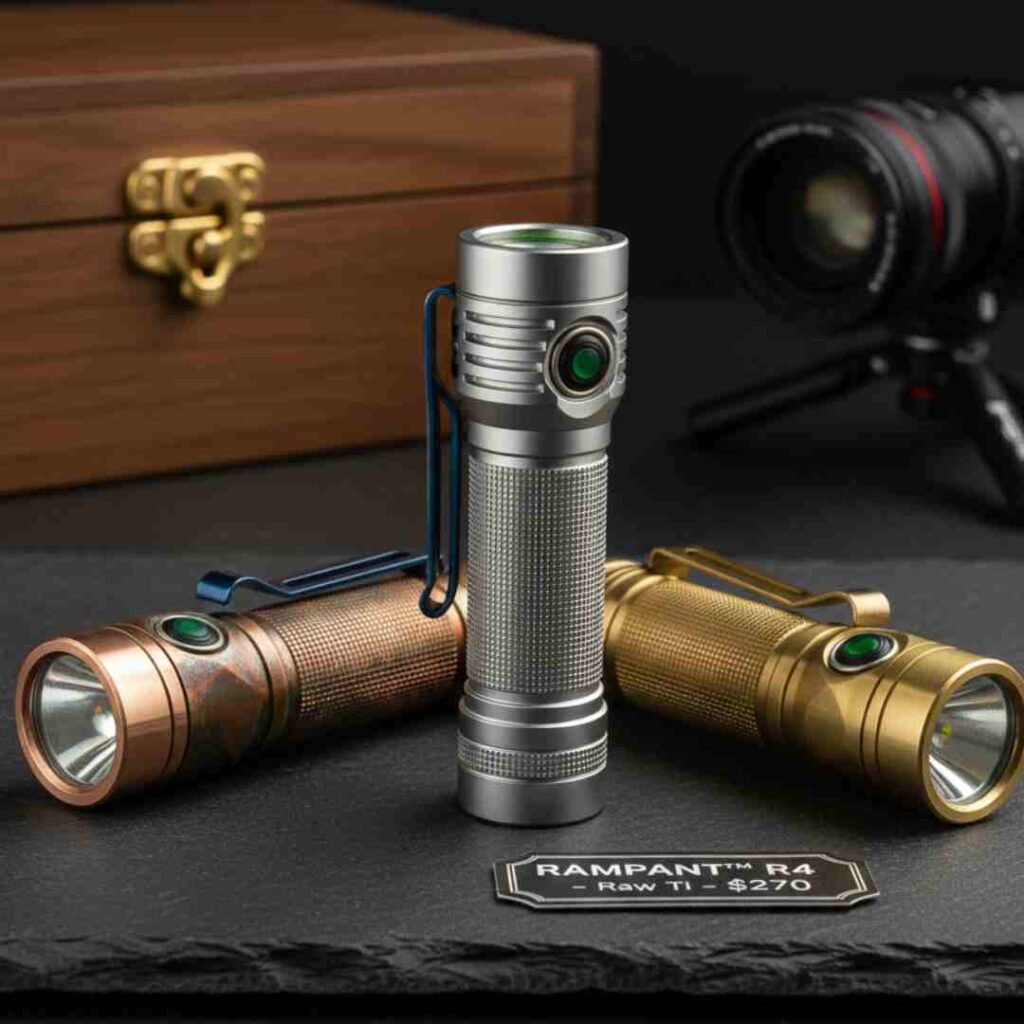
Aluminum ($15 – $70): The vast majority of 14500 lights are made from aircraft-grade aluminum. It is lightweight, durable, and cost-effective, offering an excellent balance of heat dissipation and structural integrity. The finish, usually a Type III hard-anodizing, is standard and accounts for the lowest cost.
Copper & Brass ($70 – $120): These materials are chosen for their high thermal mass and beautiful patina that develops over time. Copper, in particular, dissipates heat extremely well, which allows the light to run at higher outputs for longer, but the raw material and machining costs are significantly higher than aluminum.
Titanium ($100 – $250+): Titanium is the pinnacle of EDC materials due to its incredibly high strength-to-weight ratio, corrosion resistance, and luxurious, cool-to-the-touch feel. It is notoriously difficult and expensive to machine, which is why a titanium 14500 light can easily start at around $100 and jump dramatically higher for custom finishes or specific alloys.
The LED and Driver: The Quality of Light
The heart of any modern flashlight is the LED emitter, and the quality of light it produces is a major pricing factor. Budget lights often use common, high-output, cool-white LEDs that are inexpensive but can produce harsh light with poor color rendition. Premium lights, however, often feature High-CRI (Color Rendering Index) LEDs like the Nichia 519A. These emitters replicate colors more accurately, making them superior for detailed work or general use where color perception matters, but they are more expensive to purchase and integrate.
Equally important is the “driver circuit”. Inexpensive lights use simple, current-limited drivers, which often lead to a rapid drop in brightness (step-down) as the battery voltage falls. Higher-end lights employ sophisticated, “regulated drivers” that maintain a nearly constant, stable brightness across the battery’s lifespan, only stepping down when the light gets too hot or the battery is truly low. This advanced electronic engineering and thermal management is a key factor driving the cost difference between a $20 light and a $70-plus model.
The Budget-Friendly Entry Point: Under $25
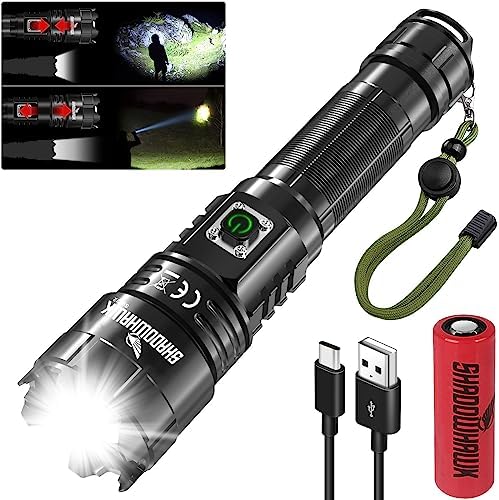
The budget tier of 14500 flashlights provides astonishing value, making high-performance EDC lights accessible to everyone. This category generally ranges from “$12 to $25” and is characterized by solid aluminum construction, simple user interfaces, and dual-fuel capability.
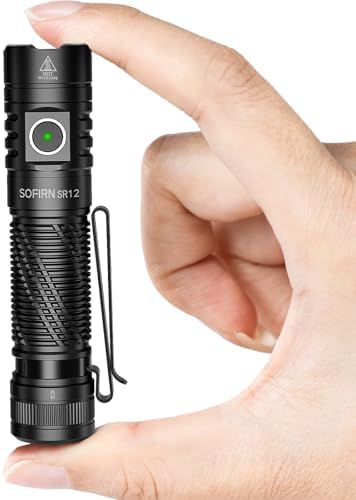
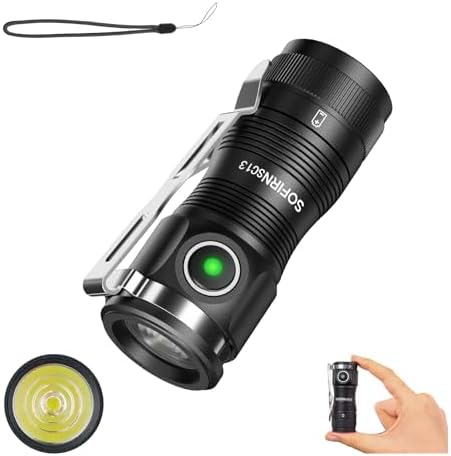
Lights in this bracket, such as the “Sofirn SP10 Pro” or the “Convoy T3”, represent the “best bang for your buck” philosophy. For less than the cost of a decent meal, you can get a light that punches out 500 to 1,000 lumens on a 14500 battery, which is more than enough for 99% of everyday tasks. The cost is kept low through high-volume manufacturing, simpler LED emitters, and often a basic, yet functional, user interface. While they may step down in brightness more quickly than their premium counterparts due to less complex thermal management, their initial burst of power and low cost make them the perfect entry point for beginners or for those who don’t want to worry about scratching or losing their light.
The Mid-Range Sweet Spot: $30 to $70
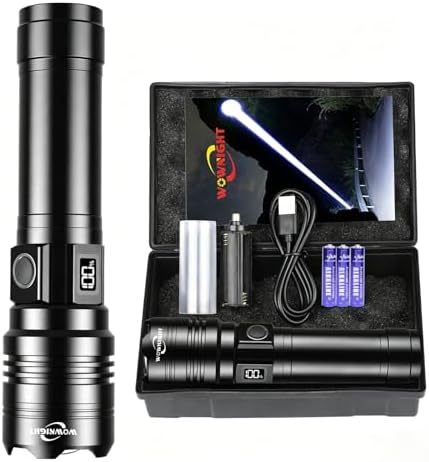
The mid-range category, typically priced from “$30 to $70”, is where the true workhorse 14500 lights reside, offering a significant jump in quality and features without entering the luxury price bracket. This is often considered the ideal zone for the serious EDC user who values reliability and light quality.
In this tier, you begin to see crucial upgrades:
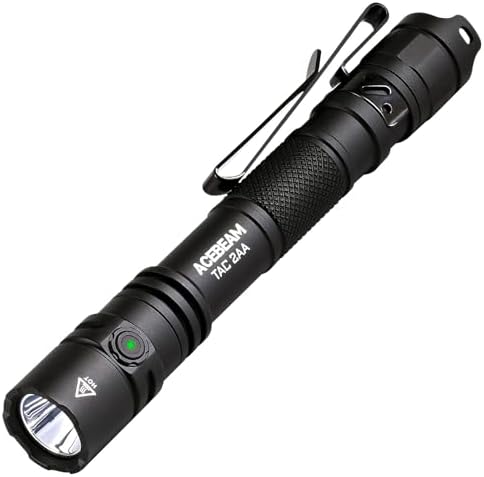
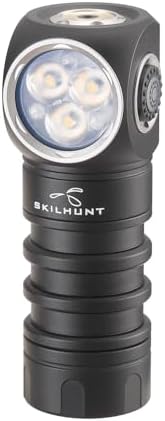
High-CRI Emitters: Models like the “Acebeam Pokelit AA” or the “Skilhunt M150” often feature High-CRI emitters (like Nichia 519A) that provide a much richer, more natural, and less fatiguing light. This is a massive functional upgrade.
Advanced Features: Magnetic charging ports, better pocket clips, and more sophisticated electronic drivers that offer more consistent, longer runtimes are standard. The user interface also becomes more intuitive and programmable.
Brand and Build Quality: Reputable brands like Acebeam, Skilhunt, and Zebralight invest in tighter tolerances, superior waterproofing, and more robust engineering, all of which contribute to the higher cost. A flashlight in this range is a professional-grade tool designed for daily, heavy use.



The Luxury Tier: Premium Metals and Customization ($70 to $250+)
For the enthusiast or collector, the luxury tier, starting around “$70 and soaring past $250”, transforms the 14500 flashlight from a utilitarian tool into a piece of functional art. The premium is driven almost entirely by material selection, bespoke manufacturing, and high-end aesthetics.
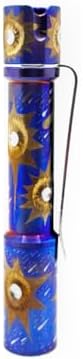
The shift to exotic materials is a key factor. Reylight’s models, for instance, are popular for their copper, brass, and titanium versions, which can easily range from $70 to $100+. The “titanium” body is not just about looks; it’s a statement of durability and a specific aesthetic preference. Furthermore, custom and semi-custom lights, like the RAMPANT™ R4 in Raw 6AL-4V Titanium, represent the absolute zenith of the category, where prices can exceed “$270”. These lights feature multi-colored aux LEDs, highly specialized emitters, and intricate machining patterns that demand significantly more labor and specialized equipment, justifying the premium price tag. For the collector, the value is less about the lumen output and more about the craftsmanship, rarity, and material composition.


Essential Hidden Costs: Batteries and Chargers
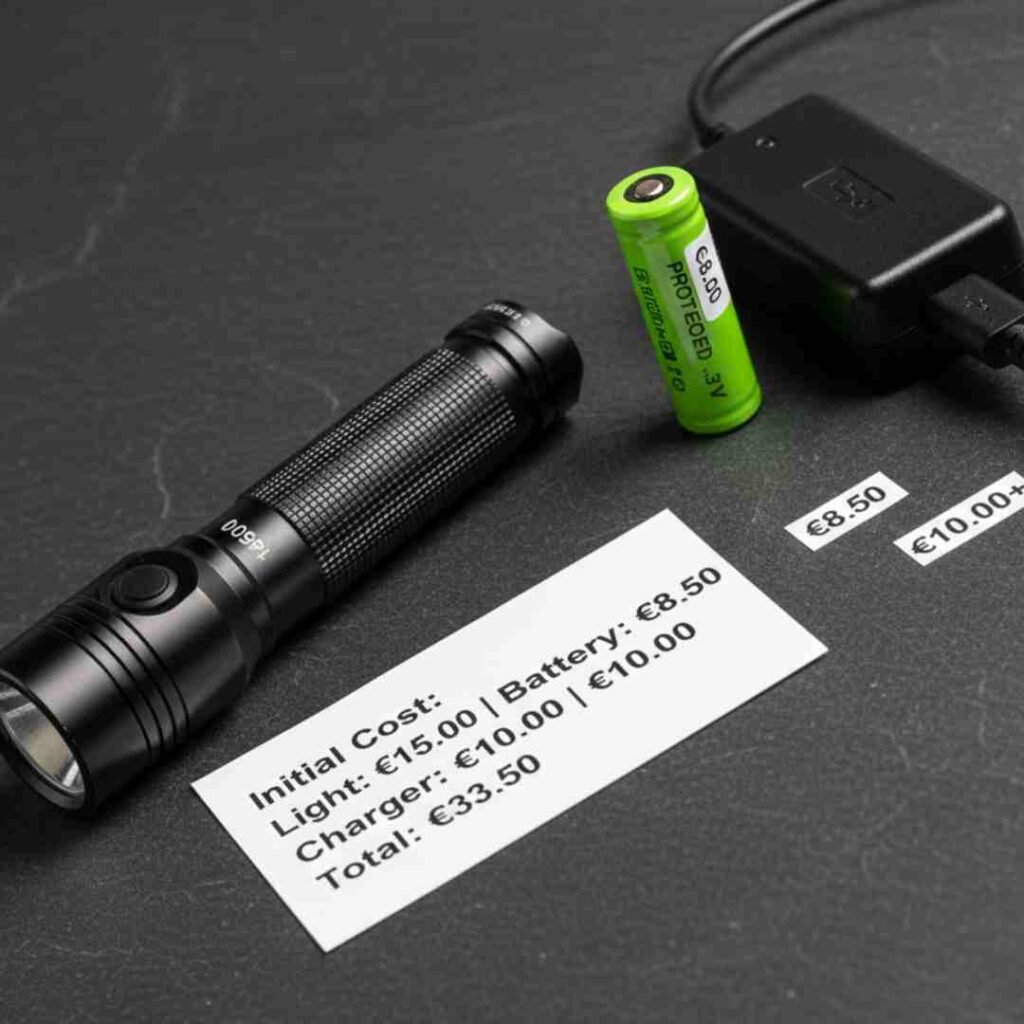
While the price of the flashlight body is the main figure, the true total cost of entry must include the essential accessories needed to power and maintain the light. Unlike a disposable AA battery, a 14500 lithium-ion cell requires a dedicated charging setup.
The 14500 Battery Cost
A single, high-quality 14500 rechargeable Li-ion battery typically costs between “$8.50 and $13.00”. It is crucial to note that budget lights often do *not* include a battery, so this is an immediate, mandatory added expense. Furthermore, it is generally recommended to have at least two batteries in rotation for continuous use. You should also ensure the battery is a reputable brand with proper safety protection built in, as poor-quality Li-ion cells can pose safety risks.
The Charger Cost
For lights without a built-in USB charging port (common in the budget and many premium enthusiast models), a dedicated external charger is necessary. The cost of a multi-slot universal charger can range from “$15 to $30”, depending on features like an LCD screen, advanced charging protocols, and compatibility with various battery sizes (e.g., 18650, 21700, and 14500). Basic, single-slot 14500-specific chargers can be found for as low as “$5 to $10”, but the convenience and safety features of a quality multi-charger often justify the extra expense for the long haul. A common “starter combo” package for a charger and a set of four 14500 Li-ion batteries is priced around “$25”.
Finding Your Perfect Value: Tying Price to Your Personal Carry Needs
The “best value” in a 14500 EDC flashlight isn’t defined by the lowest price; it’s defined by the light that best meets your personal needs for the cost. A professional mechanic who needs perfect color accuracy on wires might find a $60 high-CRI light to be the best value, even though a $15 light is cheaper. Conversely, someone who just needs a light to find their keys in the dark will get the best value from a budget model.
The following comparison table breaks down the typical features and associated costs across the primary tiers to help you align your budget with the utility you seek.
| Feature Category | Budget Tier (Under $25) | Mid-Range Tier ($30–$70) | Premium / Custom Tier ($70–$250+) |
|---|---|---|---|
| Example Models | Sofirn SP10 Pro, Convoy T3, Wurkkos WK05 | Acebeam Pokelit AA, Skilhunt M150 | Reylight Lan / Pineapple Ti, Manker Striker Mini Ti |
| Primary Body Material | Anodized aircraft aluminum | High-grade aluminum, copper or brass options | Titanium (Ti), copper, zirconium, exotic alloys |
| LED Emitter Quality | Standard Cree or Luminus (cool white, lower CRI) | Nichia 519A (high CRI), SST-20 (neutral white) | High-end Nichia 519A, custom-tinted premium LEDs |
| Driver / Regulation | Simple thermal step-down, basic regulation | Regulated constant-output circuitry | Highly regulated, fully programmable drivers |
| Charging | External charger or basic built-in USB | Built-in USB-C or magnetic charging | Mostly external charger; occasional USB-C |
| Total Initial Cost (Light + Battery + Charger) | ~$35 – $50 | ~$50 – $90 | ~$90 – $280+ |
If you’re building a complete travel kit, don’t stop at your flashlight alone. Make sure you also check out the best noise-canceling headphones for travel in 2025 to fully upgrade your carry experience.
The True Lifetime Value: A Cost-Benefit Analysis
In the flashlight community, a common maxim is “buy once, cry once,” which applies strongly to EDC gear. While a budget light has a lower initial cost, a premium light can often provide a better “lifetime value. This is a concept that goes beyond simple replacement cost.
A mid-range or premium light often features better-sealed components and superior electronic regulation, which results in more consistent performance and longer overall life. Moreover, premium lights are often more “moddable”—meaning that enthusiasts can easily swap out the LED emitter or driver—extending the light’s relevancy and performance as new components become available. The investment in a $100 titanium light that lasts for a decade and can be customized is arguably a better value than buying a new $20 aluminum light every two to three years due to wear, or dissatisfaction with its basic light quality. The cost of a 14500 EDC flashlight is, therefore, a direct reflection of the long-term utility, repairability, and aesthetic pleasure you wish to derive from your gear.
Strong Semantic Coverage: The EDC and AA Intersections
To ensure a thorough discussion of the 14500 format, it is important to reinforce its connection to the traditional AA battery. The 14500 form factor is prized because it perfectly balances power density with emergency compatibility, a critical feature for EDC. Many users select a “dual-fuel AA/14500 flashlight” explicitly because it can run on the high-performance lithium-ion battery for peak performance but can be powered by a standard alkaline or Ni-MH AA battery in a pinch, making the light an incredibly versatile survival or backup tool.
The ability to use the standard AA battery is a significant factor in the light’s cost calculation; lights designed for this dual-fuel capability must incorporate more sophisticated driver technology to safely handle the different voltage inputs (1.5V for AA, 3.7V for 14500), adding to the manufacturing complexity and overall cost. However, this added cost delivers the peace of mind that comes with knowing a replacement power source is available almost anywhere in the world, bolstering the light’s overall functional value for everyday carry.
If compact high-performance hardware fascinates you, you will also enjoy exploring the future of ultra-compact smart gadgets, where emerging Nubbin sensor technology is redefining how tiny devices deliver powerful functionality.
Evaluating Durability and Warranty vs. Price
The price of a 14500 EDC flashlight is also closely tied to the manufacturer’s commitment to durability and after-sales support. Budget-friendly brands generally offer shorter, limited warranties, reflecting a lower-cost, higher-volume model where replacement is simpler than repair. This is acceptable for many but is a hidden cost of potential future replacement.
Conversely, higher-priced, reputable brands often provide multi-year warranties, sometimes even lifetime support, demonstrating their confidence in the component quality and engineering tolerances. For example, a light with an IPX8 water-resistance rating (standard in the mid-range and premium tiers) costs more to manufacture due to the precision-machined threads and high-quality o-rings, but this translates directly into a higher level of reliability in adverse conditions. When evaluating the initial cost, consider the light’s expected lifespan and the manufacturer’s warranty as key indicators of the intrinsic quality and total long-term investment.
🎯 Aligning Price with Purpose: The Cost-Benefit Conclusion
The true cost of a 14500 EDC flashlight is a spectrum reflecting a critical trade-off between price and the quality of light, material, and electronic regulation. For the casual user, a budget model in the “$15-$30” range (like the Sofirn SP10 Pro) offers unbeatable performance for the price, providing high lumens and dual-fuel capability without a significant financial commitment. The primary hidden cost here is the external battery and charger, an essential $20-$30 investment that should be factored into the initial budget.
However, for the committed enthusiast or professional who values a perfect beam tint, rock-solid regulation, and superior build materials, the sweet spot lies in the “$50-$100” mid-to-high range. Lights from brands like Skilhunt, Acebeam, and Reylight offer sophisticated drivers and high-CRI emitters, delivering a better-quality light experience that justifies the premium. Ultimately, the cost is the price of entry; the value is the long-term reliability and satisfaction you get from the light that best integrates with your daily life. Choose the price point that aligns not just with your wallet, but with your expectations of a vital, high-performance everyday tool.
You can also read our full guide to must-have AI gadgets in 2025.
Frequently Asked Questions (FAQs)
1. What is the main difference in performance between a budget and a premium 14500 flashlight?
The main difference is in the *sustainability* and *quality* of the light, rather than just the initial maximum brightness. Budget lights can achieve high lumen outputs for a short time but often lack advanced thermal regulation, leading to a quick, noticeable drop in brightness as the light heats up or the battery voltage dips. Premium lights, particularly those in the $70+ range, use highly regulated constant-current drivers and better thermal management to maintain a stable brightness for much longer, while also offering high-CRI LEDs for superior color accuracy, which is a subtle yet significant quality difference.
2. Is it worth buying a Titanium 14500 flashlight, or am I just paying for the material?
While the majority of the cost increase is indeed due to the premium material, titanium offers tangible benefits beyond aesthetics that contribute to the EDC experience. Titanium is exceptionally lightweight and corrosion-resistant, making it a perfect material for a light that is constantly exposed to sweat, moisture, and pocket wear. Furthermore, titanium lights often serve as a canvas for boutique manufacturers, meaning you are also paying for superior, intricate machining, tighter tolerances, and frequently, a high-end LED and driver that is exclusive to the premium model, making the light both a rugged tool and a collector’s item.
3. Do all 14500 flashlights come with a rechargeable battery included in the price?
No, a significant hidden cost for budget and enthusiast 14500 flashlights is that they often do not include the battery or a charger. While some user-friendly, mid-range lights (like certain Olight or Fenix models) include a proprietary rechargeable battery and charging system, most enthusiast-focused budget and custom lights require you to purchase a separate, unprotected or protected flat-top 14500 Li-ion battery and an external charger, which adds an immediate $20 to $30 to your total initial investment.
4. Why is an external battery charger necessary if my flashlight has a USB port?
Even if your flashlight has a convenient built-in USB-C charging port, an external charger is often considered a worthy investment for several reasons. A dedicated charger typically offers faster charging speeds, more sophisticated battery health monitoring, and the ability to charge spare batteries for uninterrupted use. Additionally, external chargers can often accommodate various battery sizes beyond the 14500, making it a versatile tool for powering all your electronic devices and headlamps that use other lithium-ion cells.
5. What is the typical lifespan I can expect from a 14500 Li-ion battery before needing a replacement?
A high-quality 14500 lithium-ion battery can typically endure between 300 and 500 charge and discharge cycles before its capacity significantly degrades. For most everyday carry users, this translates to a lifespan of two to three years of regular use before the runtimes become noticeably shorter and warrant a replacement. To maximize the battery’s lifespan, it is best practice to avoid letting the cell drain completely and to store it at approximately a 50% charge level if you plan not to use it for an extended period.
6. How does the cost of a 14500 light compare to a traditional AA light or a larger 18650 light?
The 14500 light sits in the middle of the price spectrum, offering a better performance-to-size ratio than a traditional AA light, which costs less but has a fraction of the maximum output. A high-quality 18650 light, while offering far superior sustained output and battery capacity, is physically larger and generally costs more than a comparable 14500 light due to the added material, larger driver components, and increased thermal management requirements necessary for its high-performance capabilities.
Reference Sources :
- Battery University – Lithium-Ion & 14500 Battery Technology https://batteryuniversity.com
- Nichia Corporation – High CRI LED Technology (519A Series) https://www.nichia.co.jp/en/product/led
- Sofirn Official Website – Budget 14500 Flashlights https://www.sofirnlight.com
- Acebeam Official Website – Pokelit AA & 14500 Series https://www.acebeam.com